%20Black%20P.png)
Counting the Cost: Lessons from Chess in Week 9 of My Journey

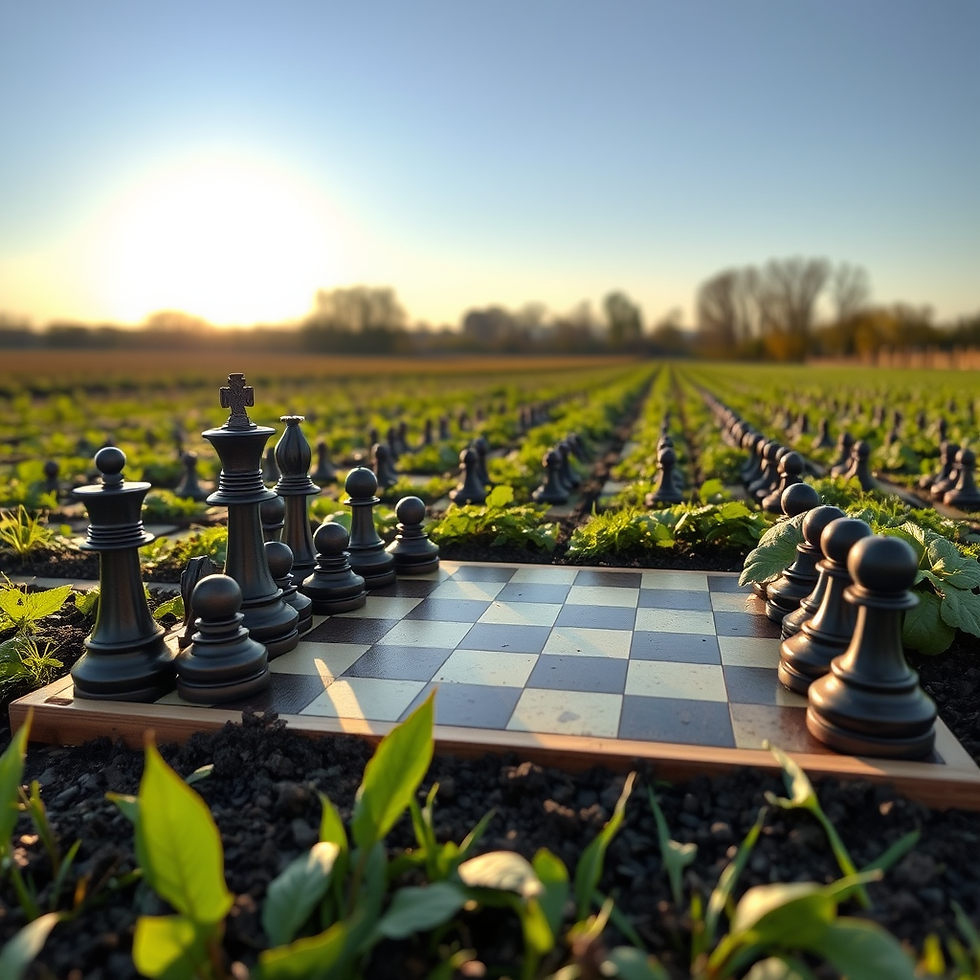
Chess is often seen as a game of strategy and skill, but it also teaches valuable lessons about decision-making and understanding consequences. In week 9 of my journey, I focused on the theme of counting the cost—a concept that goes beyond numbers and money. Using chess as a metaphor, I explored how every move we make carries a price, and how recognizing that cost can lead to better choices in life.

Understanding the Concept of Counting the Cost
Counting the cost means evaluating what you might lose or gain before making a decision. In chess, this is literal: every move risks losing a piece or position. In life, it’s about weighing the potential benefits against the sacrifices.
When I started this week, I realized that many of my decisions were reactive rather than thoughtful. Chess forced me to pause and ask: What am I giving up by making this move? What could I gain? This mindset shift helped me approach challenges with more clarity.
Why Counting the Cost Matters
Luke 14:28 "For which of you, intending to build a tower, does not sit down first and count the cost, whether he has enough to finish it"
Prevents impulsive decisions
Chess players rarely move without thinking several steps ahead. This habit helps avoid mistakes that could cost the game. Similarly, in life, impulsive choices often lead to regret.
Encourages long-term thinking
Some moves may seem costly now but set up a winning position later. Counting the cost means looking beyond immediate outcomes.
Builds discipline and patience
Chess requires patience to wait for the right moment. Counting the cost teaches us to delay gratification and focus on meaningful goals.
Applying Chess Lessons to Everyday Life
The parallels between chess and life are striking. Here are some practical ways I applied the idea of counting the cost this week:
1. Career Decisions
Before accepting a new project, I weighed the time commitment against my current workload. Like sacrificing a pawn to gain a better position, I asked myself if the short-term sacrifice was worth the long-term benefit. This helped me avoid burnout and focus on projects that aligned with my goals.
2. Relationships
Chess taught me to consider the emotional cost of my words and actions. Sometimes, speaking up might win a small argument but damage trust. Counting the cost encouraged me to choose my battles wisely, preserving important connections.
3. Personal Growth
I faced the temptation to skip practice on a skill I’m developing. Remembering how a missed move can change the game, I committed to consistent effort. This small investment pays off over time, much like controlling the center of the chessboard.
Recognizing Hidden Costs
Not all costs are obvious. Chess players often lose pieces without realizing the strategic disadvantage until later. Similarly, in life, hidden costs can include stress, lost opportunities, or damaged reputation.
This week, I became more aware of these subtle costs by:
Reflecting on past decisions and their outcomes
Asking trusted friends for honest feedback
Journaling to track emotional and mental energy spent
This practice revealed patterns where I underestimated the cost of convenience or comfort.
Balancing Risk and Reward
Chess is a game of calculated risks. Sometimes, you must sacrifice a piece to gain a winning advantage. Counting the cost means understanding when a risk is worth taking.
I learned to:
Identify what I’m willing to lose
Set clear goals for what I want to achieve
Prepare for possible setbacks
For example, I took on a challenging task at work that required extra hours. I knew it might affect my free time but believed the experience would boost my skills. This calculated risk paid off with new opportunities.
Tools to Help Count the Cost
To make better decisions, I used several tools inspired by chess thinking:
Pros and cons lists
Writing down benefits and drawbacks helped me visualize the cost.
Scenario planning
Imagining different outcomes prepared me for surprises.
Time tracking
Monitoring how I spent my time revealed hidden costs.
Mindfulness practices
Staying present helped me avoid rushed choices.
Lessons from Week 9 to Carry Forward
This week’s focus on counting the cost has reshaped how I approach decisions. Chess reminded me that every move matters and that understanding the price of each choice leads to stronger outcomes.
Here are the key takeaways:
Always pause to evaluate what you might lose or gain
Look beyond immediate results to long-term effects
Accept that some sacrifices are necessary for growth
Use tools to clarify your thinking and reduce surprises
Balance risk with clear goals and preparation
By adopting this mindset, I feel more confident and intentional in my actions.


Comments